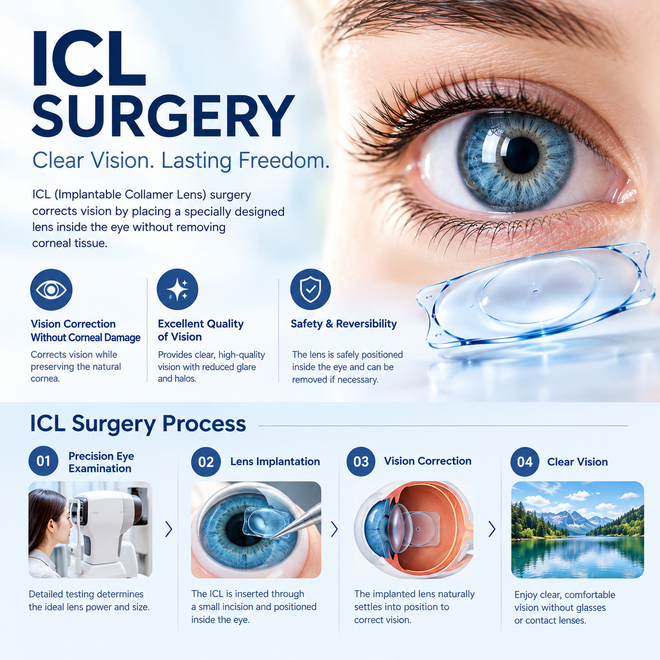

ICL Surgery
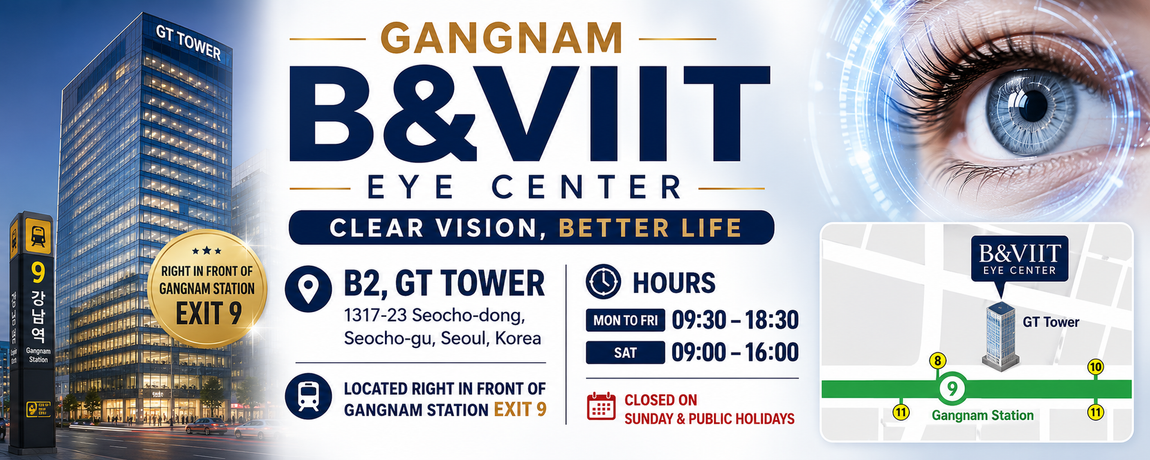
Gangnam B&VIIT Eye Center
Seoul, Korea
Vision Correction Experts
Experience advanced ICL surgery
at Gangnam B&VIIT Eye Center in Seoul, Korea,
with personalized vision correction, experienced eye specialists,
and advanced technology for clear, comfortable vision.
International Patients Welcome! Contact Our English Hotline
Talk to a Real Person, Not a Robot — English Support Available!
Optimal Surgery Recommendations
with a Double Check by Doctors and AI
Our experienced medical team works together with AI trained on big data from 626,756 eyes to provide objective, balanced analysis and recommend the most suitable surgical approach.
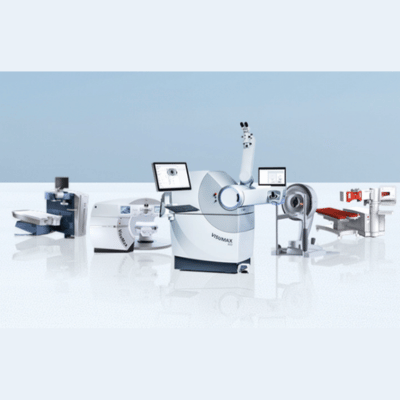
1. Complete Equipment for Vision Correction Surgery
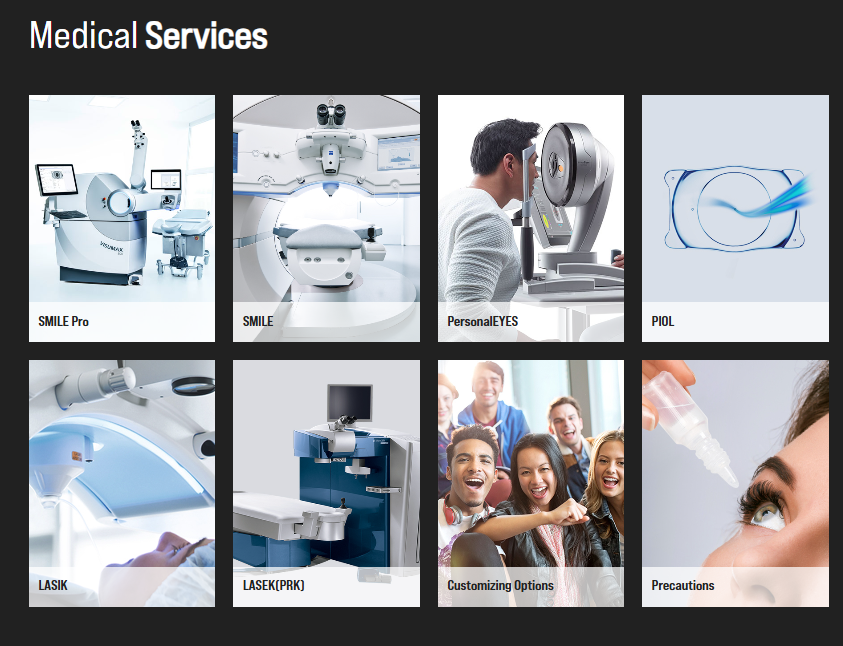
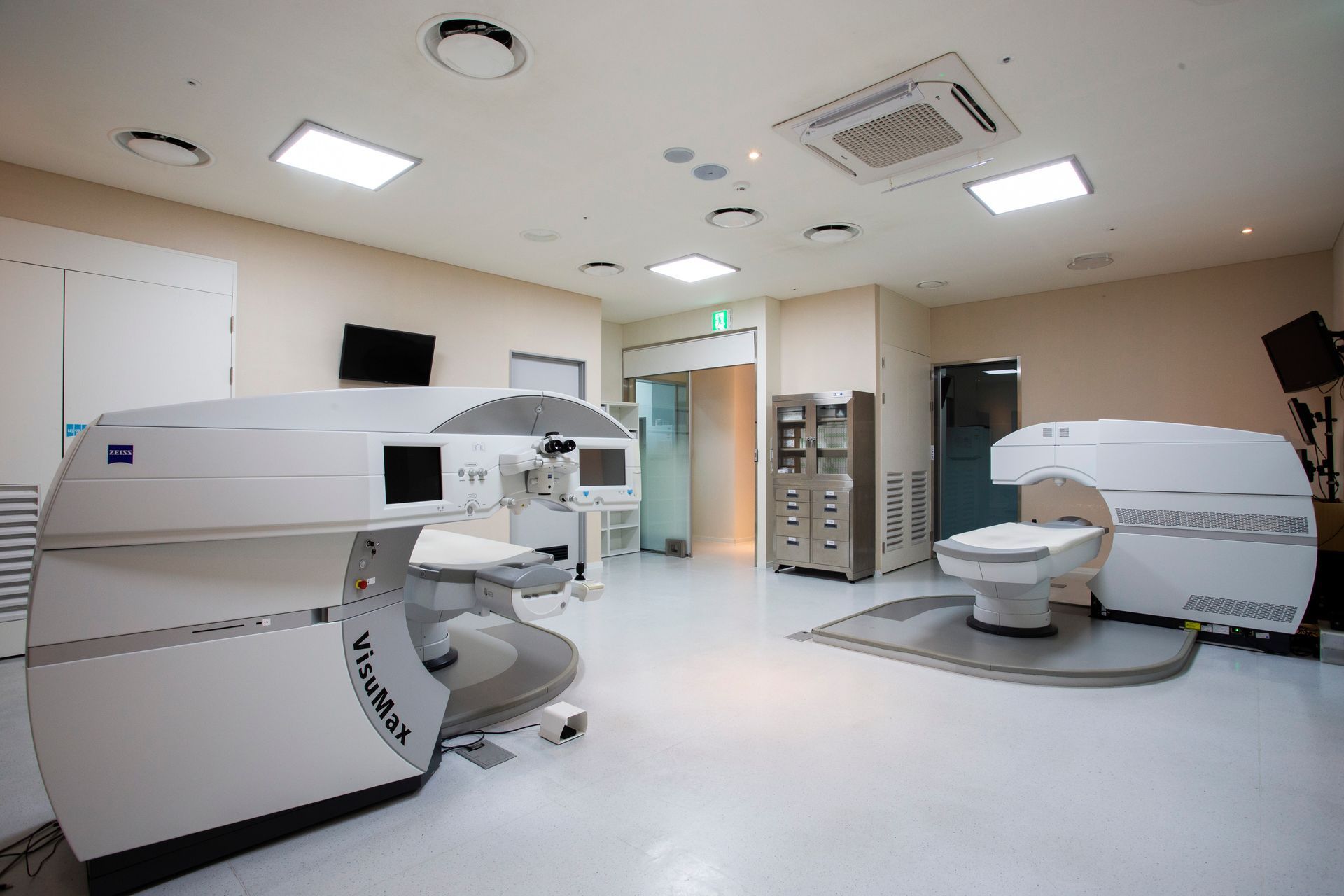
Equipped with all essential devices for SMILE Pro, LASIK, LASEK, and lens implantation surgery.
2. Big Data from Over 600,000 Eyes
AI analyzes examination data from over 600,000 eyes to determine suitable surgical options.
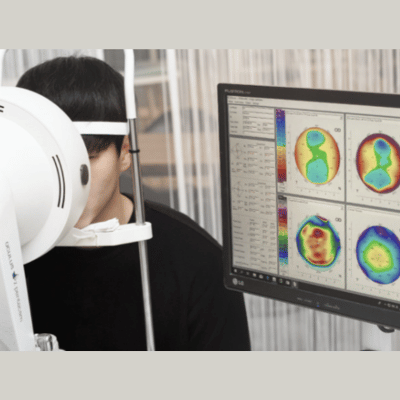
3. Personalized Surgery Prediction for Your Eyes
More than 1 million examination results are simulated to recommend the optimal personalized procedure.
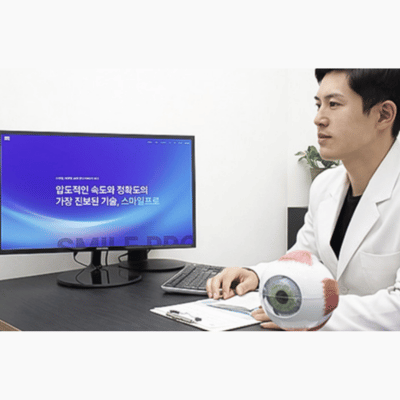
4. Predicted Vision Results for Each Surgery
Based on data from over 6 million eyes, we provide predicted postoperative vision with up to 99% accuracy.
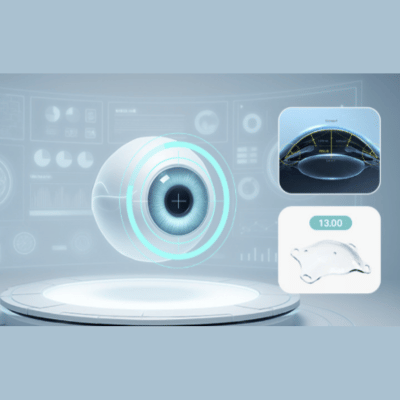
Surgery
B&VIIT Eye Center offers a full range of vision correction procedures.
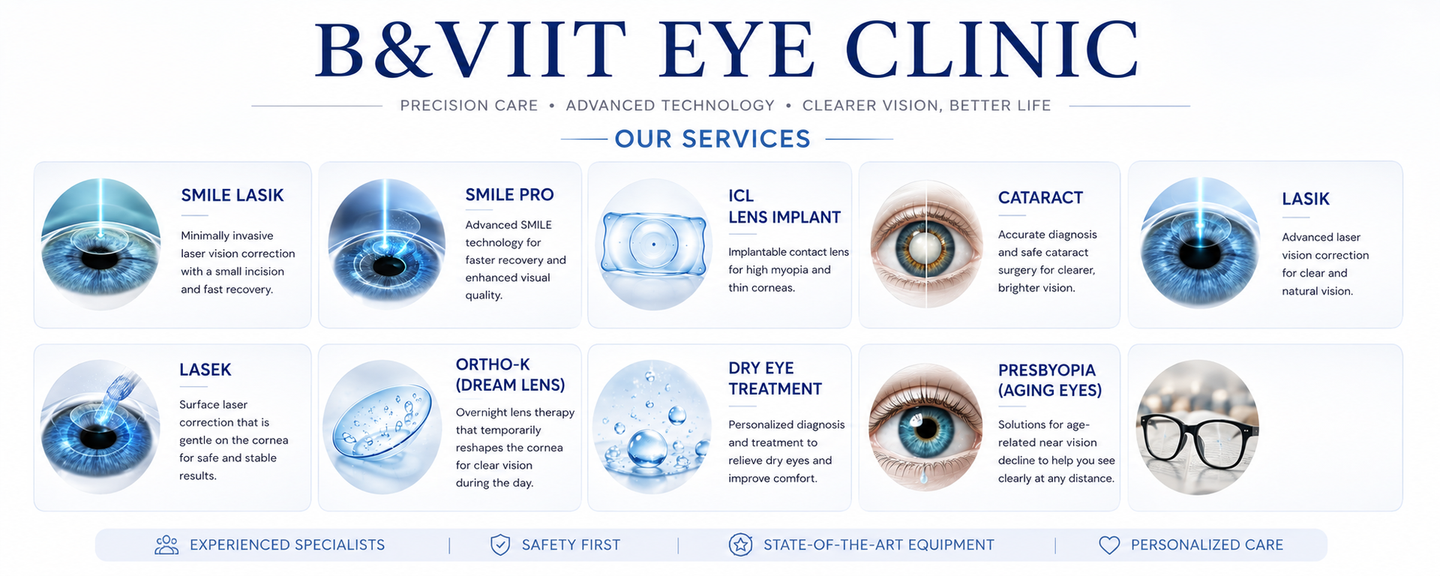
Korea ICL Surgery Experts
Ready to experience life without glasses or contact lenses?
Our expert team in Seoul specializes in safe, precise ICL eye surgery tailored to your vision needs.
We proudly welcome international patients from around the world.
Trusted by thousands, we are one of Korea’s leading eye clinics for premium ICL procedures.
Customized ICL Surgery
For high myopia, choosing the right lens size is even more important.
Experience precise lens sizing available only at B&VIIT Eye Clinic.
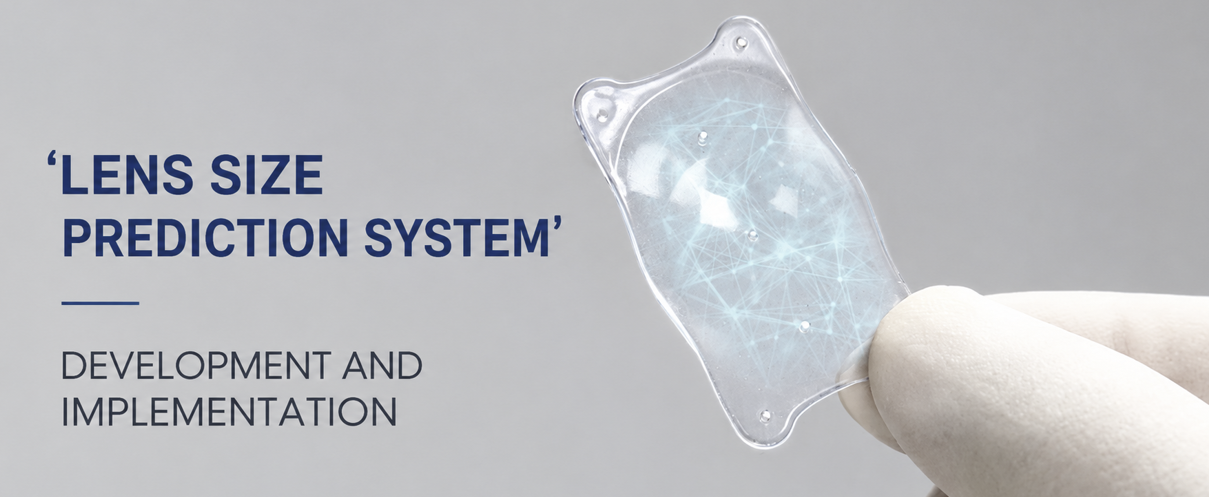
The most important factor in ICL surgery is choosing the right lens size to fit the space inside the eye.
If the lens is too large, it may come into contact with the eye’s internal structures. If it is too small, it may move inside the eye, potentially increasing the risk of complications such as cataracts or glaucoma.
In the past, lens size was determined mainly by the surgeon’s experience and expertise. Today, B&VIIT Eye Clinic uses an AI-powered lens sizing system developed from big data of over 500,000 eyes to select a precise lens size tailored to each patient’s unique eye anatomy.
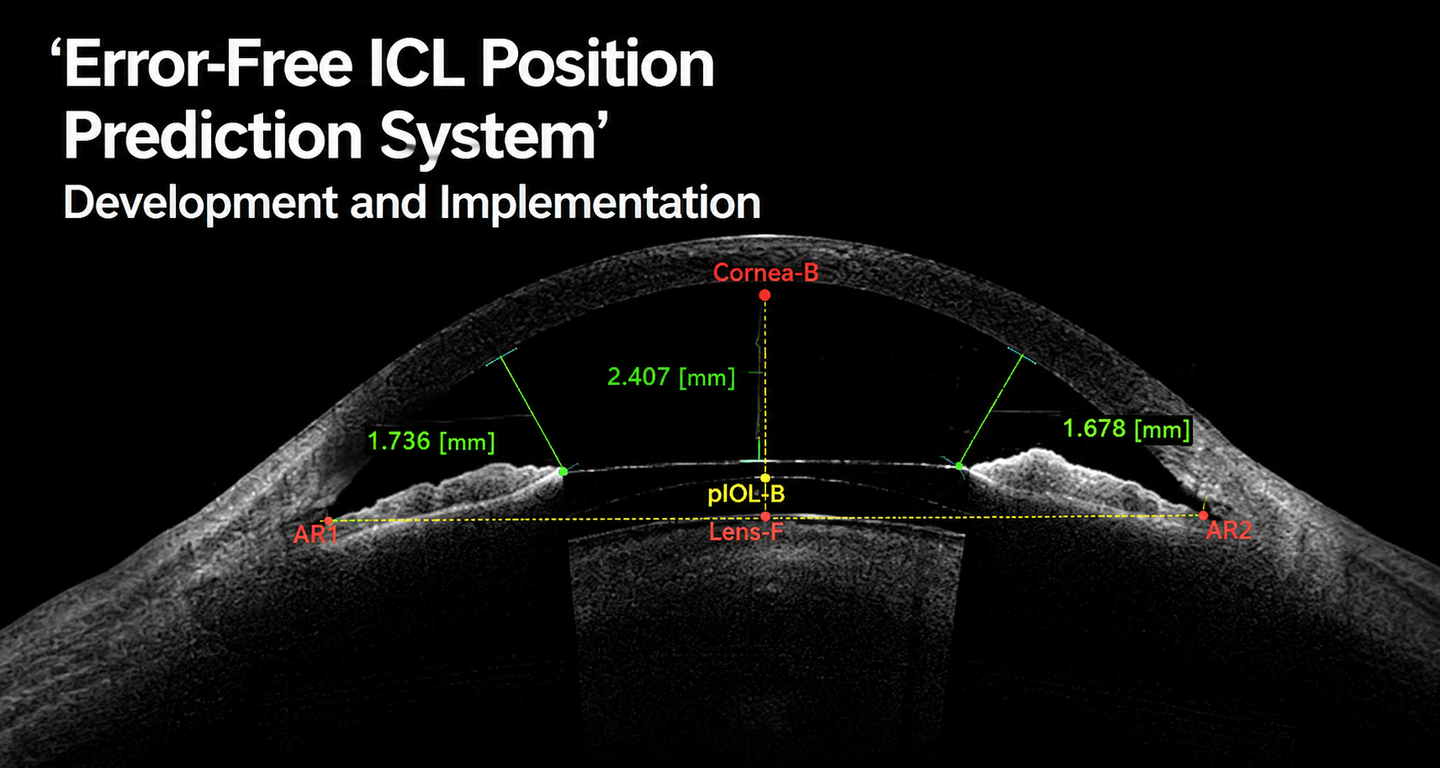
During ICL surgery, the distance between the back surface of the implanted lens and the front surface of the natural lens must remain within an optimal range. Incorrect lens positioning may increase the risk of lens opacity (cataract) or elevated intraocular pressure.
B&VIIT Eye Clinic has developed an ICL Position Prediction System based on 20 variables, including corneal size, sulcus-to-sulcus (STS) measurements, angle-to-angle (ATA) measurements, anterior chamber depth, and pupil size. This system helps surgeons determine the optimal lens position for greater accuracy and precision during ICL surgery.
B&VIIT Determines the ICL Surgery Best Suited for Your Eyes.
ICL surgery is classified into anterior chamber lenses and posterior chamber lenses, depending on where the lens is implanted in relation to the iris.
At B&VIIT Eye Clinic, we provide personalized ICL surgery, selecting the safest and most suitable approach to help protect your vision for years to come.
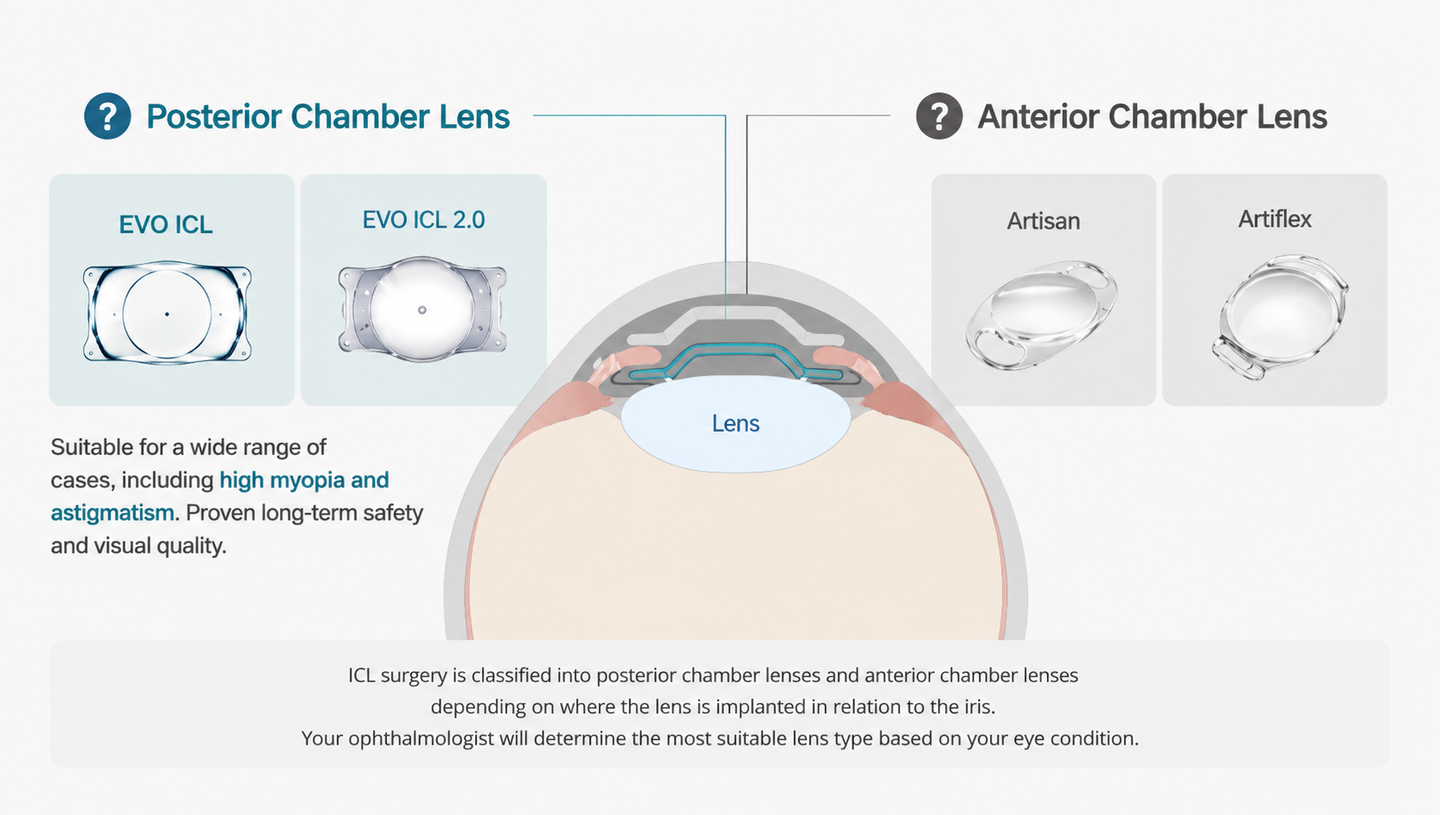
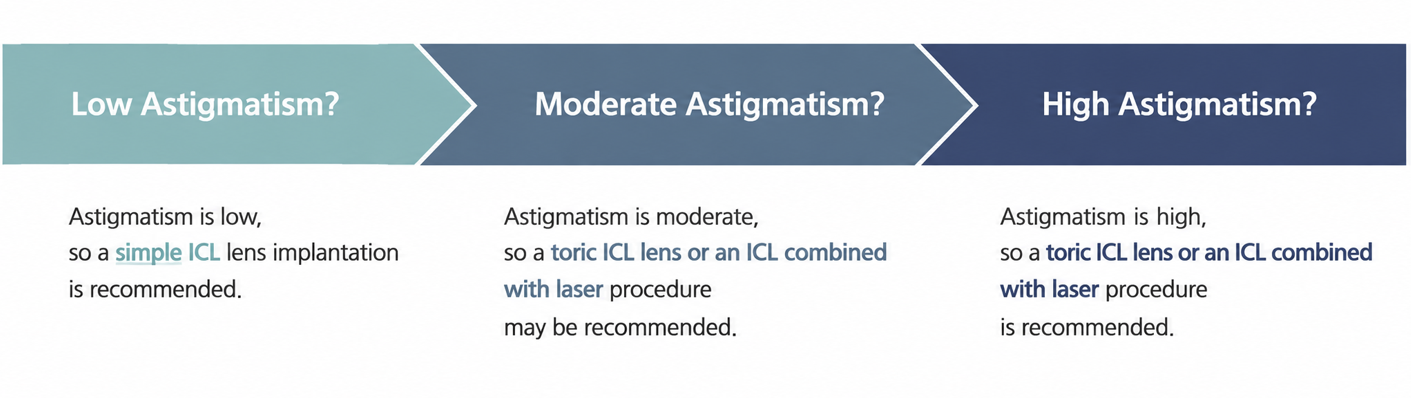
Lens Surgery for Ultra-High Myopia and Astigmatism
The surgical approach for
ultra-high myopia may vary depending on the degree of astigmatism.
At
B&VIIT Eye Clinic, we carefully evaluate each patient’s level of astigmatism and recommend the most suitable surgical method.
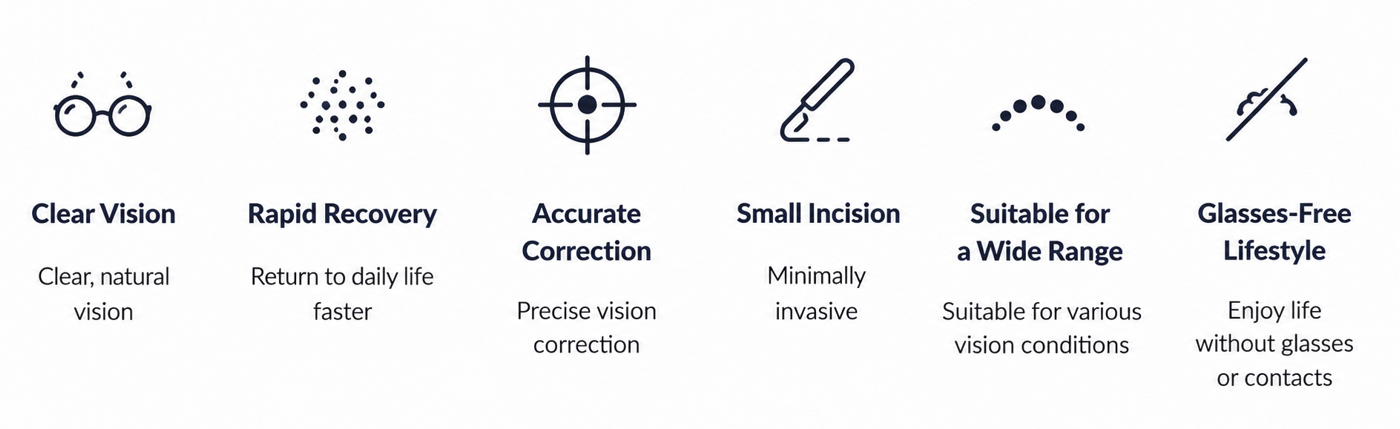
B&VIIT ICL Surgery: An Even Safer Choice for These Patients
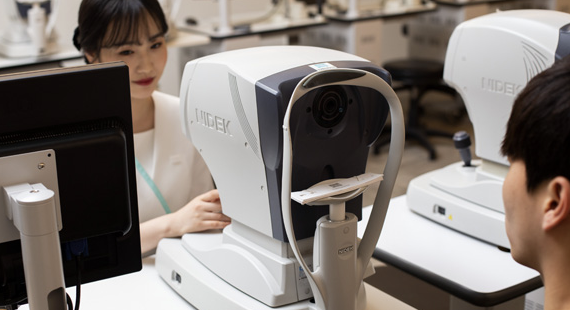
Post-ICL Surgery Checkups
Once a Year,
Trust B&VIIT for Your Post-Surgery Eye Care.
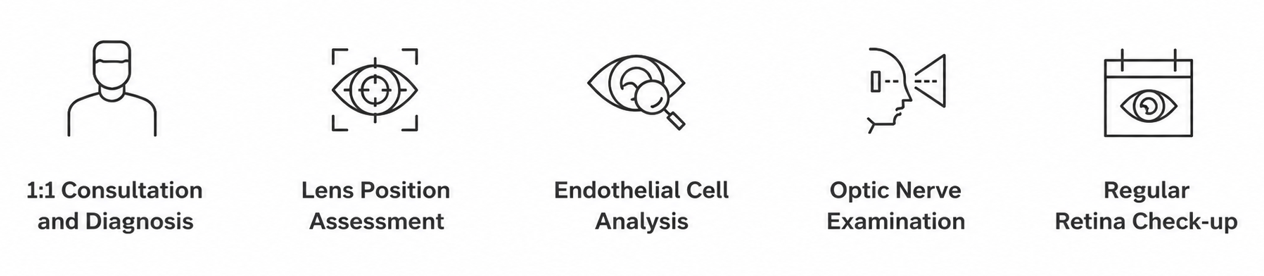
Long-term follow-up care is essential after ICL surgery to protect your vision. Regular checkups of intraocular pressure (IOP) and corneal endothelial cells are recommended.
Patients with ultra-high myopia and more vulnerable eyes require careful, ongoing management even after surgery.

At B&VIIT, our comprehensive post-ICL monitoring program helps protect your vision for a lifetime.
Ready to visit our clinic?

Gangnam B&VIIT Eye Center
Premium ICL Surgery in Seoul
Gangnam B&VIIT Eye Center
offers premium ICL surgery in the heart of Seoul. Our experienced ophthalmologists provide safe, high-precision vision correction using FDA-approved ICL lenses. The clinic is equipped with the latest diagnostic and surgical technology to ensure outstanding results. English-speaking staff are available to guide international patients every step of the way. Discover clear, natural vision without removing your cornea—only at B&VIIT Eye Center.
Korea’s Leader in Vision Correction Surgery
Trust the experienced medical team at
B&VIIT Eye Center to care for your precious vision.

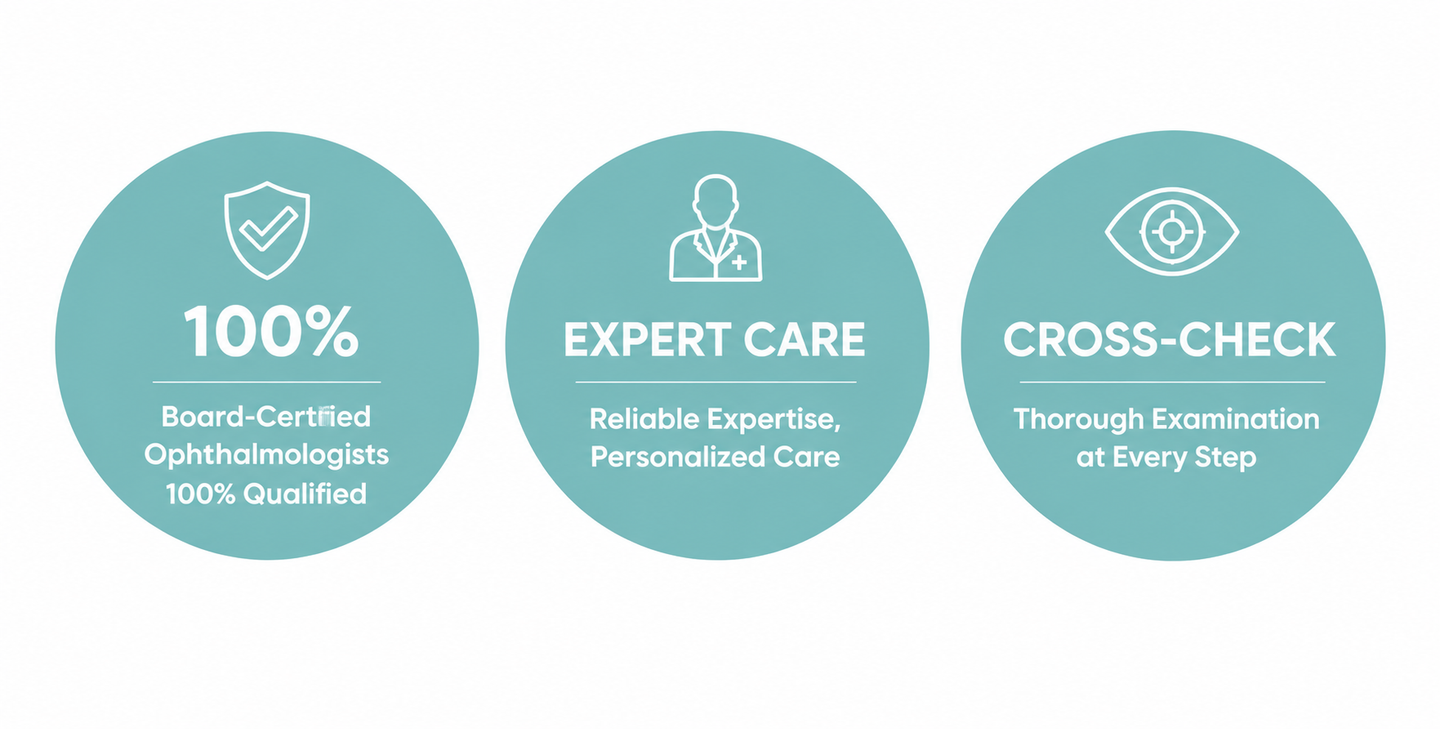
31 Years of Vision Correction Expertise
Meet the experienced medical team at B&VIIT Eye Center, trusted by countless patients for over 31 years. Our specialists in vision correction, cataracts, retina, glaucoma, and more are dedicated to protecting your vision for a lifetime.

Dr. Jin-kuk Kim
CEO, established the Bright World Eye Center

Dr. In-sik Lee
Specialized in refractive cataract, laser vision correction, SMILE, and lens implantation surgery.

Dr. Ik-hee Ryu
Specialized in lens implantation, laser vision correction, SMILE, and refractive cataract surgery.

Dr. Hee-sun Kim
Specialized in laser vision correction, SMILE, lens implantation, and refractive cataract surgery

Dr. Hannuy Choi
Specialized in SMILE/Pro, lens implantation, laser vision correction, refractive cataract surgery, lens exchange, and lens explantation

Dr. Eun-min Kang
Specialized in glaucoma, laser vision correction, SMILE, lens implantation, and refractive cataract surgery

Dr. Wook-kyum Kim
Specialized in laser vision correction, Ortho-K lens(dream Lens), strabismus, and pediatric ophthalmology

Dr. Yoo-kyung Park
Specialized in Ortho-K lens(dream lens), pediatric ophthalmology, and dry eyes

Dr. Sun-young Ryu
Specialized in retina, laser vision correction, SMILE, and lens implantation surgery

Dr. Seung-min Kim
Specialized in Smile, vision correction, and dry eyes

Dr. Bo-yi Kim
Specialized in Smile, vision correction, and dry eyes

Dr. Na-eun Kim
Specialized in retina
Book Your Free Consultation Today!
Discover the best vision correction options for you with a free LASIK consultation. Our experts will guide you through the process, helping you achieve clearer vision with less dependence on glasses or contacts.
Let’s Chat Today!
📞+82-10-6300-6727 (WhatsApp & Text)
English-Speaking & Foreigner-Friendly We’re Here for You!
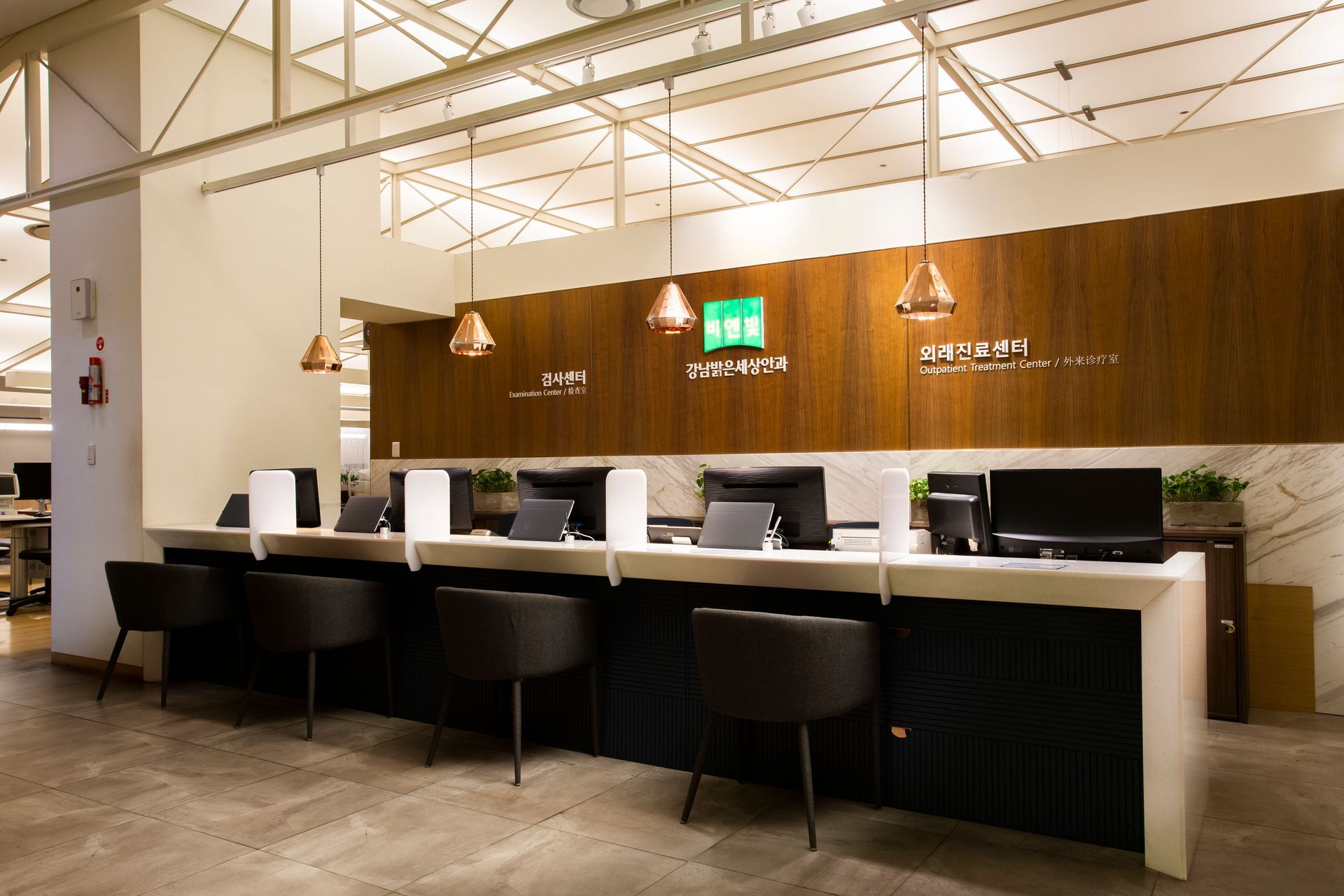
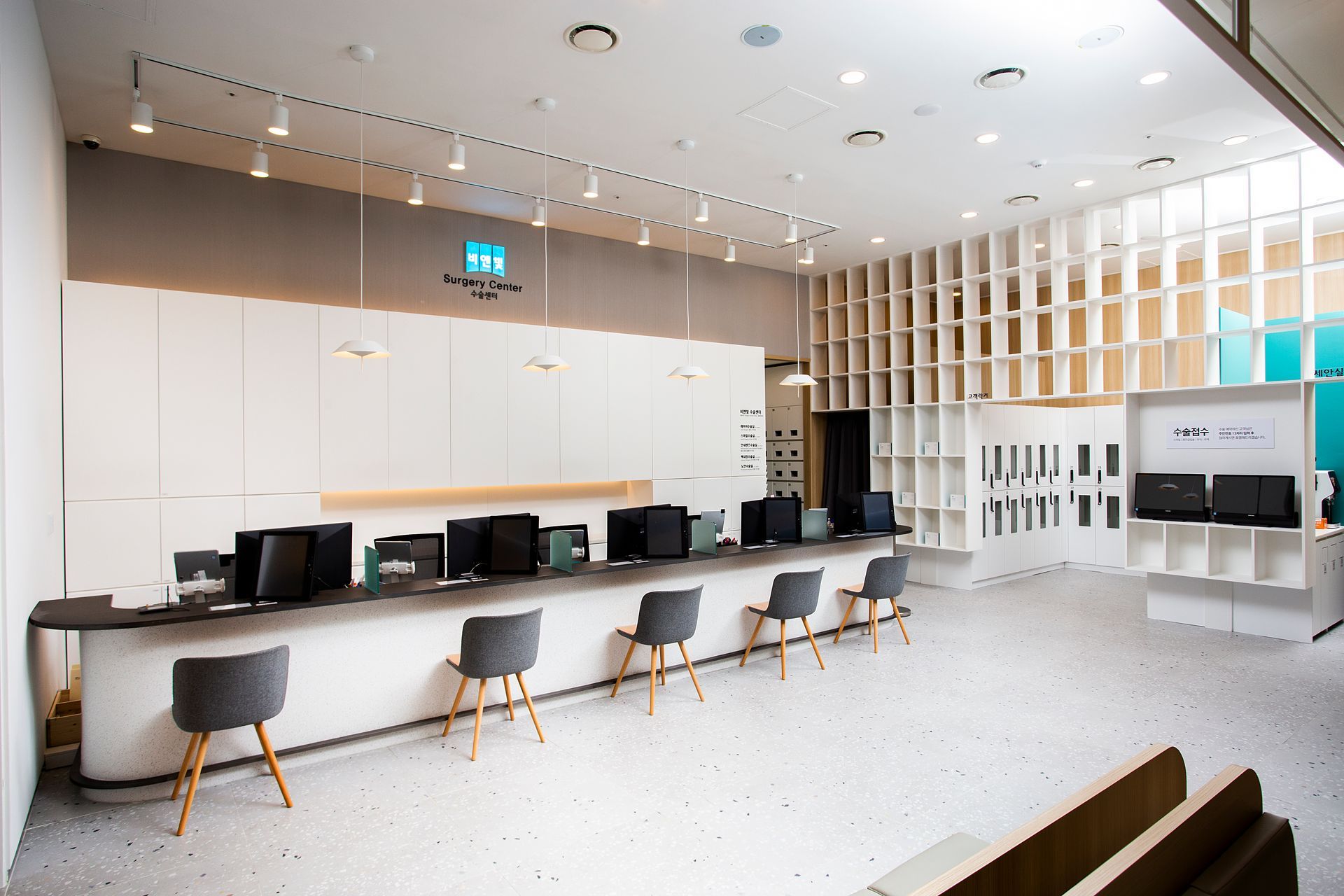
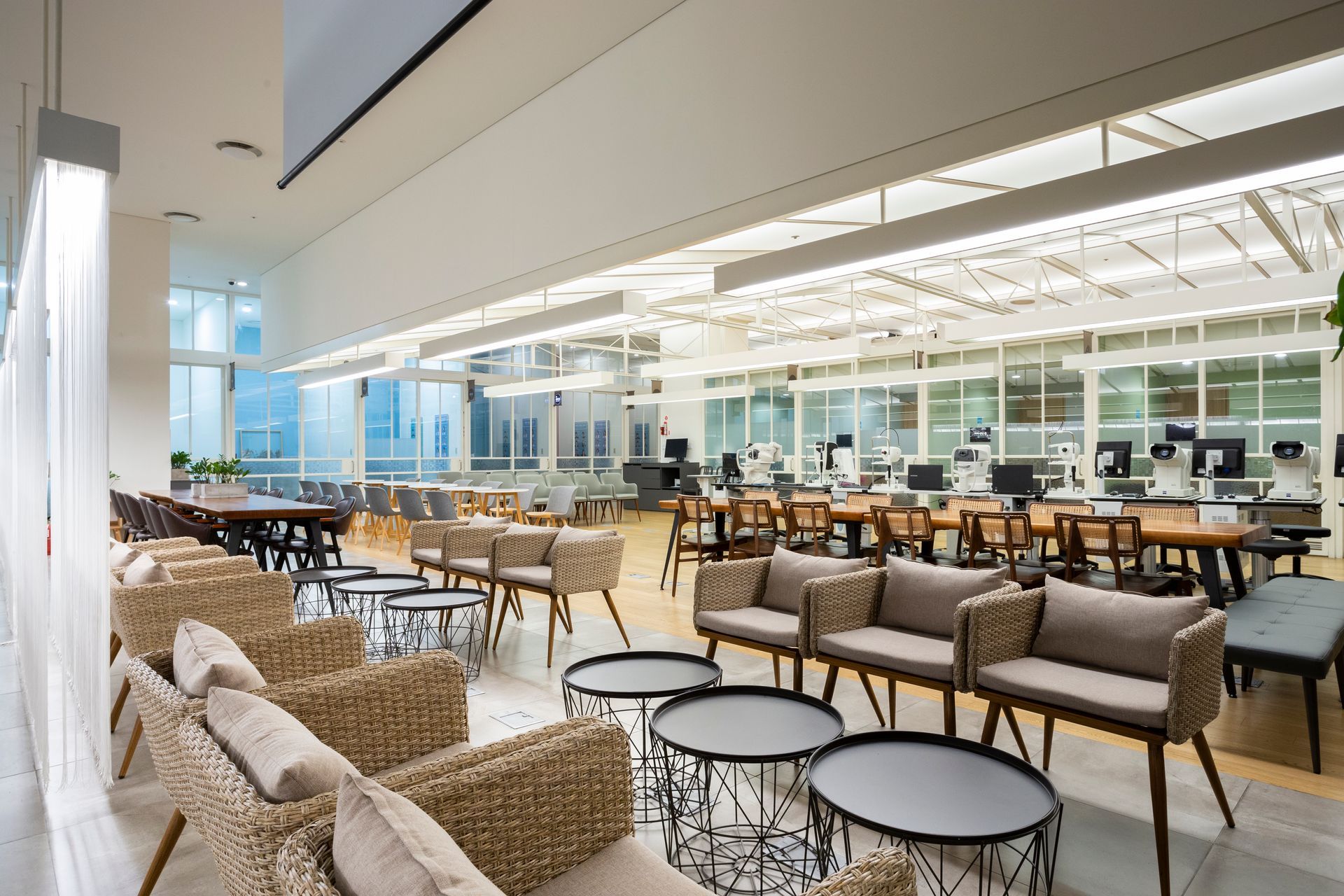
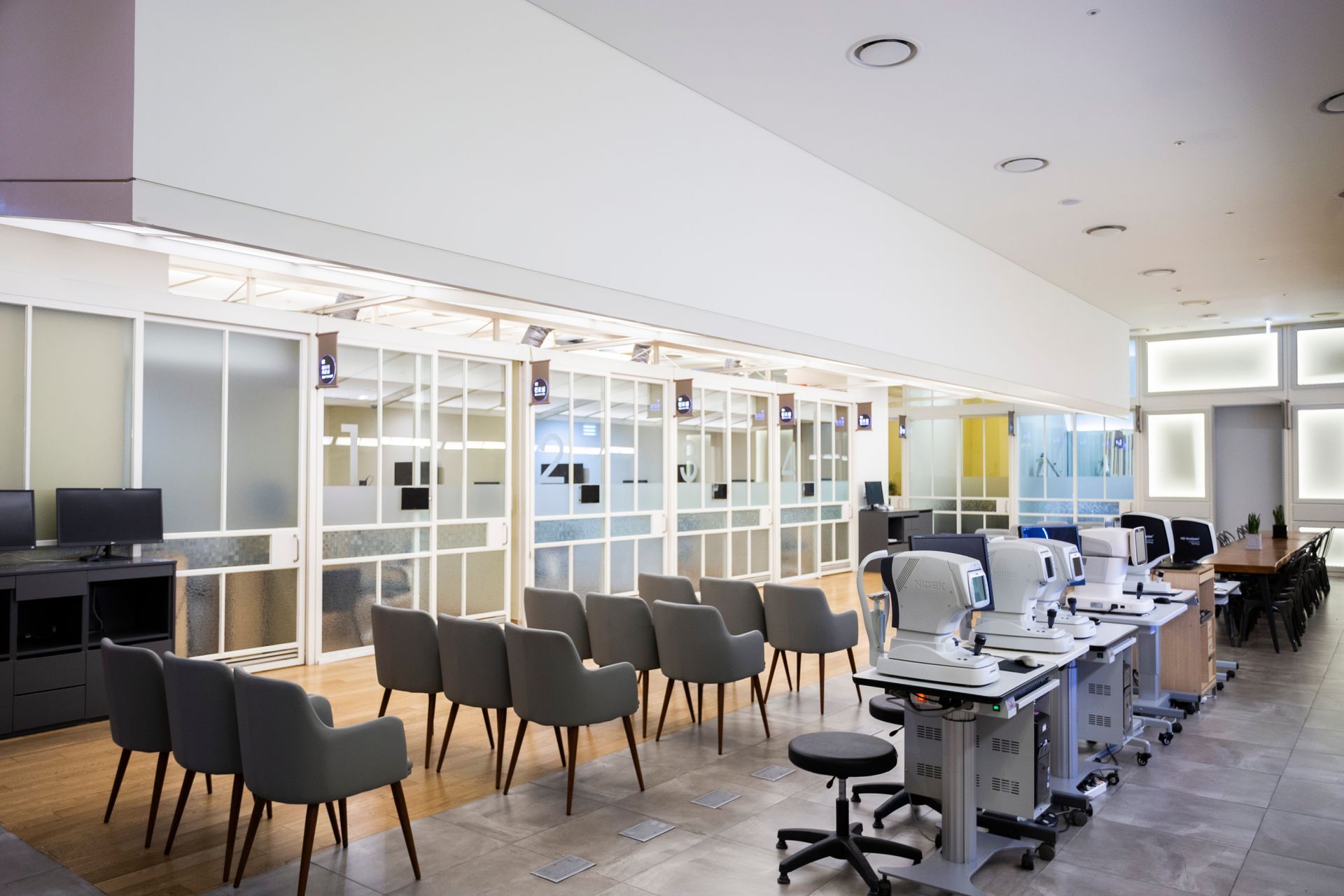
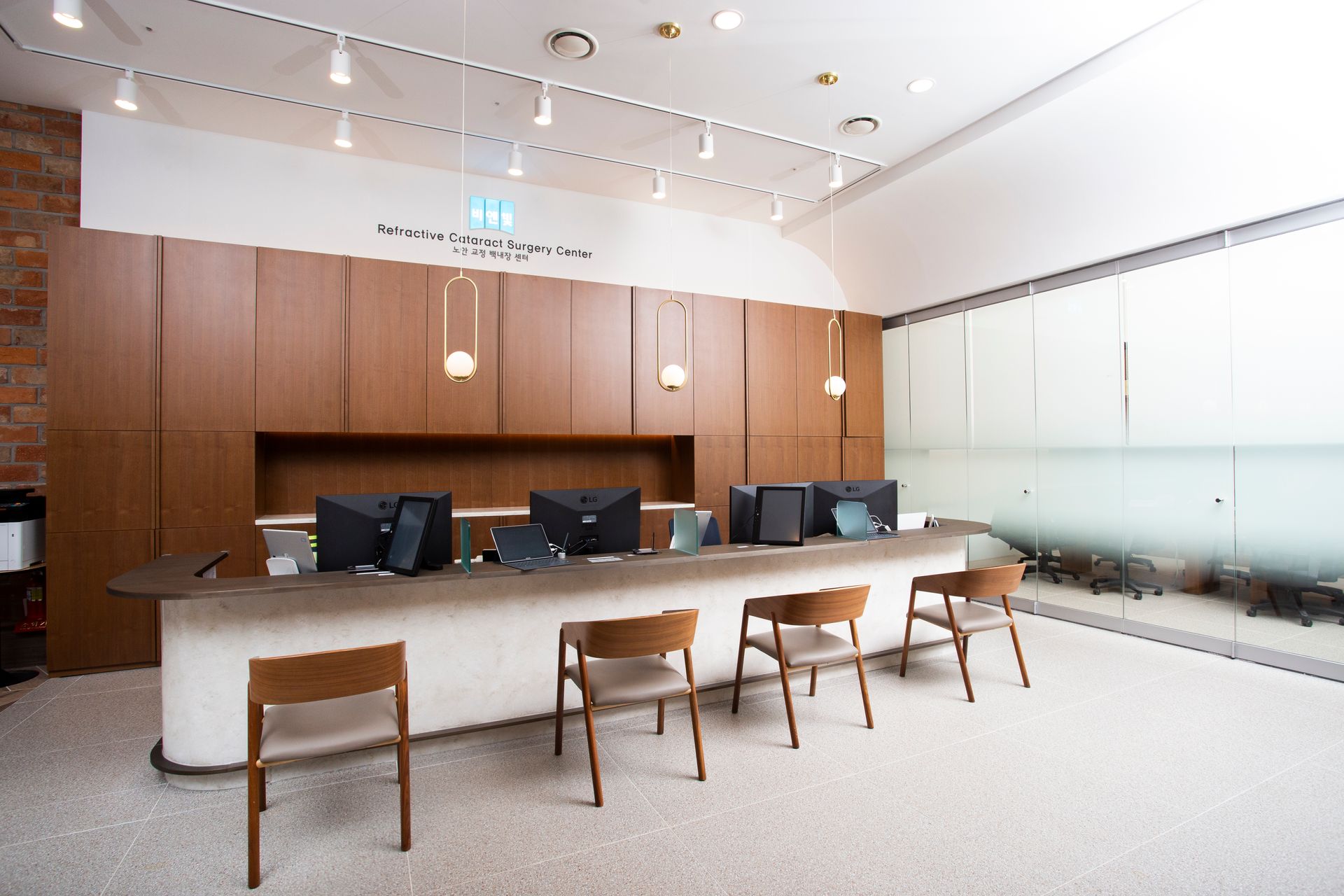
Clinic facilities
Project name here
This is the text area for this paragraph. To change it, simply click and start typing.
Project name here
This is the text area for this paragraph. To change it, simply click and start typing.
Project name here
This is the text area for this paragraph. To change it, simply click and start typing.
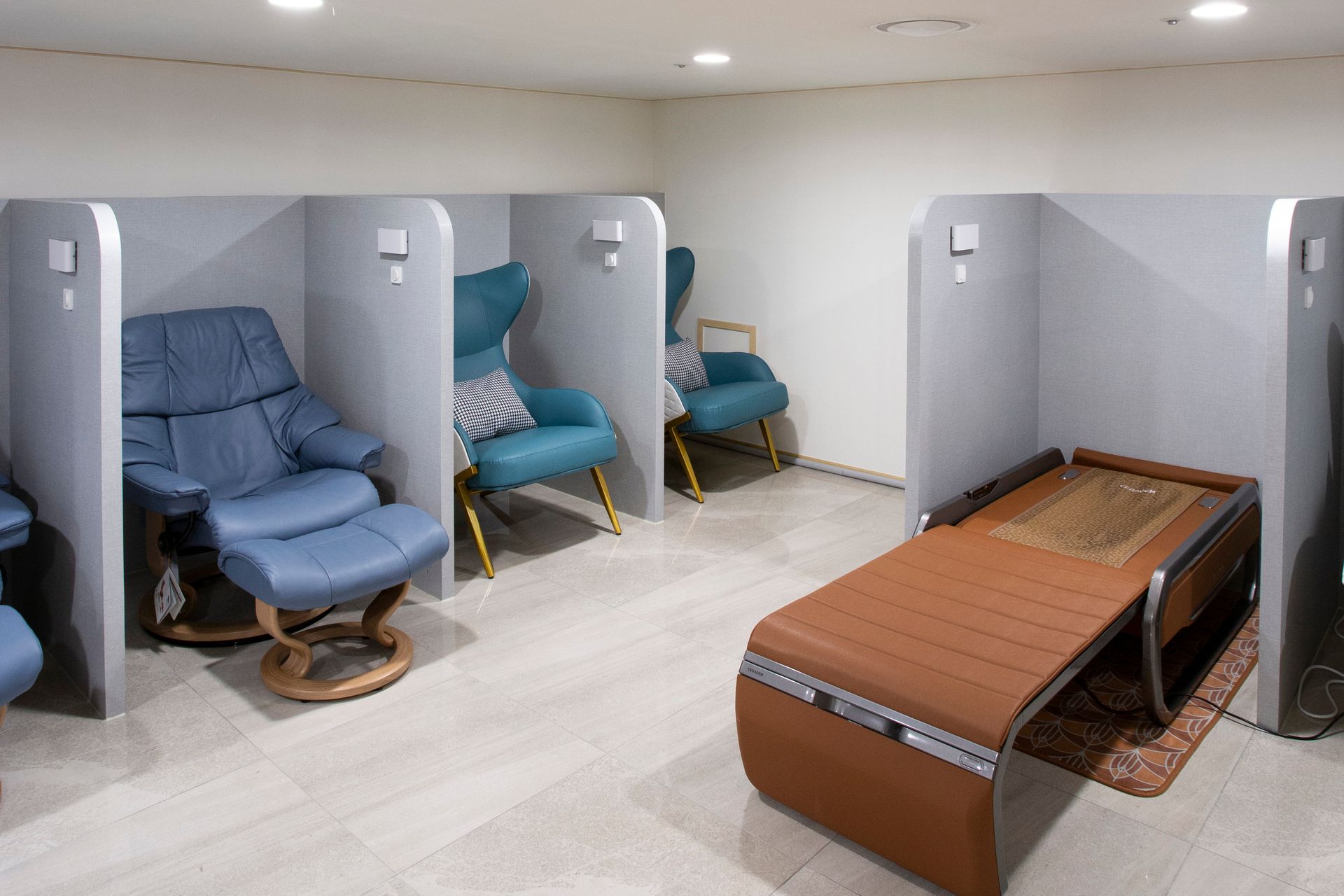
Project name here
This is the text area for this paragraph. To change it, simply click and start typing.
requently Asked Questions About ICL Surgery
Common Questions About ICL Surgery
What Is ICL Surgery?
ICL surgery, also known as Implantable Collamer Lens surgery, is a vision correction procedure in which a specially designed lens is implanted inside the eye to correct refractive errors. It can be an alternative for patients with high or ultra-high myopia, as well as those who may not be suitable for laser vision correction.
Among the various implantable lenses available, posterior chamber ICLs are now widely used. Newer-generation ICLs are designed to reduce risks such as increased intraocular pressure and cataracts, offering improved safety compared with earlier lens designs.
What Tests Are Essential When Considering ICL Surgery?
There are several important examinations required before ICL surgery. Some of the most essential include **corneal topography (Pentacam and TOPO)** to evaluate corneal curvature, pupil size, anterior chamber depth, and abnormalities such as keratoconus.
Other key tests include **intraocular pressure (IOP) testing** to screen for glaucoma, **night pupil measurement** to assess the risk of postoperative glare or halos, **dry eye testing** to evaluate tear production, **OCT imaging** to examine internal eye structures, and **CASIA2**, which provides detailed measurements of the eye’s anterior segment to help determine appropriate ICL sizing and positioning.
Can ICL Surgery Correct Astigmatism as Well?
If astigmatism is mild, it can be corrected using a corneal incision technique. For higher levels of astigmatism, a Toric ICL, specifically designed to correct both myopia and astigmatism, can be implanted for effective vision correction.
What Precautions Should I Take During the Early Recovery Period After ICL Surgery?
There are two main precautions to follow after ICL surgery. First, for about one week after surgery, avoid rubbing your eyes or any impact to the eye area. The corneal incision is still healing during this period, so preventing infection and inflammation is especially important.
Second, be sure to use all prescribed eye drops, including antibiotic and anti-inflammatory drops, exactly as directed by your doctor.
Can I Wear Colored Contact Lenses After ICL Surgery?
It usually takes about six months for the eyes to fully stabilize after ICL surgery. After this period, colored contact lenses may be worn for short periods.
However, we generally recommend avoiding colored lenses after ICL surgery because they may increase the risk of irritation or inflammation. If wearing them is unavoidable, keep wear time to a minimum and follow proper lens insertion, removal, cleaning, and hygiene practices.
How Long Do I Need Follow-Up Visits After ICL Surgery?
In short, lifelong regular eye checkups are recommended. This is not only important after ICL surgery but also after other vision correction procedures. Even people who have never had eye surgery are generally advised to have an eye examination about once a year.
Patients who undergo ICL surgery often have high or ultra-high myopia, which can be associated with a higher risk of eye conditions such as glaucoma, cataracts, and retinal or macular problems.
For this reason, we recommend visiting an ophthalmologist every 6 to 12 months to monitor the cornea, natural lens, retina, intraocular pressure, and the condition and position of the implanted ICL. Regular lifelong monitoring helps maintain healthy vision and detect potential problems early.